
Unlike many other martial arts where you might earn a black belt in two or three years, the Brazilian Jiu-Jitsu belt system is notoriously slow. A black belt in BJJ typically takes anywhere from 10 to 15 years of consistent training.
Because promotions are based on actual mat time, skill, and performance against resisting opponents rather than just passing a standardised test, each belt carries a distinct meaning.
If you are new to the sport or just trying to figure out where you fit in, here is a practical breakdown of what each belt represents.
1. White Belt: The Survival Stage
The Goal: Learn to survive and stay calm.
When you tie your white belt for the first time, you don’t know what you don’t know. This is the stage where you will spend a lot of time stuck under heavier, more experienced people. The goal here isn’t to submit everyone; it’s to learn how to breathe, stop panicking, and figure out the fundamental movements (like shrimping, bridging, and basic framing).
A good white belt is someone who turns up consistently, taps early to avoid injury, and tries to understand why they are getting caught rather than just trying to muscle out of it.

2. Blue Belt: The Collection Stage
The Goal: Build a broad defensive base and collect techniques.
Earning a blue belt means you have a solid grasp of the basics. You know how to escape bad positions most of the time, and you understand the fundamental submissions.
The blue belt is often seen as the “try everything” stage. You are experimenting with different guards, passing styles, and submissions to see what works for your body type. It’s a tough belt because the expectations are higher, but you are still going to get caught regularly by upper belts. This is also the stage where you learn how to actively defend yourself rather than just survive.
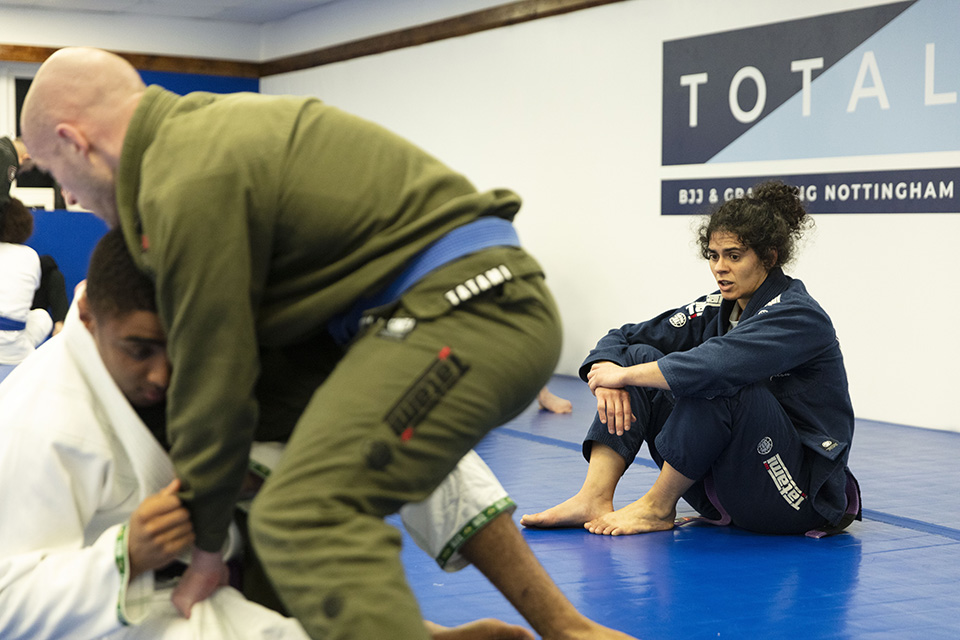
3. Purple Belt: The Development Stage
The Goal: Chain techniques together and build your game.
Purple belt is widely considered the middle of the road, but it’s where things really start to click. By the time you reach this rank, you stop trying to learn every single move on the internet and start refining the ones that work for you.
Instead of doing moves one at a time, a purple belt strings them together. If their first sweep fails, they immediately transition to a submission, and if that fails, they take the back. Their movement becomes smoother, they use less energy, and they finally have a recognizable “A-game.”

4. Brown Belt: The Refinement Stage
The Goal: Polish the rough edges and close the gaps.
A brown belt is essentially a black belt who just needs a little more time to smooth the edges. Their top game is heavy, their submissions are tight, and they rarely waste energy.
At this stage, practitioners usually have a highly dangerous, specialised game. The focus at brown belt isn’t about learning completely new techniques; it’s about micro-adjustments. They are finding the tiny, two-inch shifts in body weight that make a guard pass effective, while actively working to fix the few remaining weak spots in their defense.

5. Black Belt: The Mastery Stage
The Goal: Understand the concepts behind the techniques.
In BJJ, earning a black belt doesn’t mean you have learned everything, it means you are finally ready to really start learning.
Black belts don’t just know the moves; they understand the underlying mechanics of why they work. They understand leverage, timing, and weight distribution on an intuitive level. A black belt can look at a brand-new technique they’ve never seen before and immediately understand how to execute it or dismantle it.
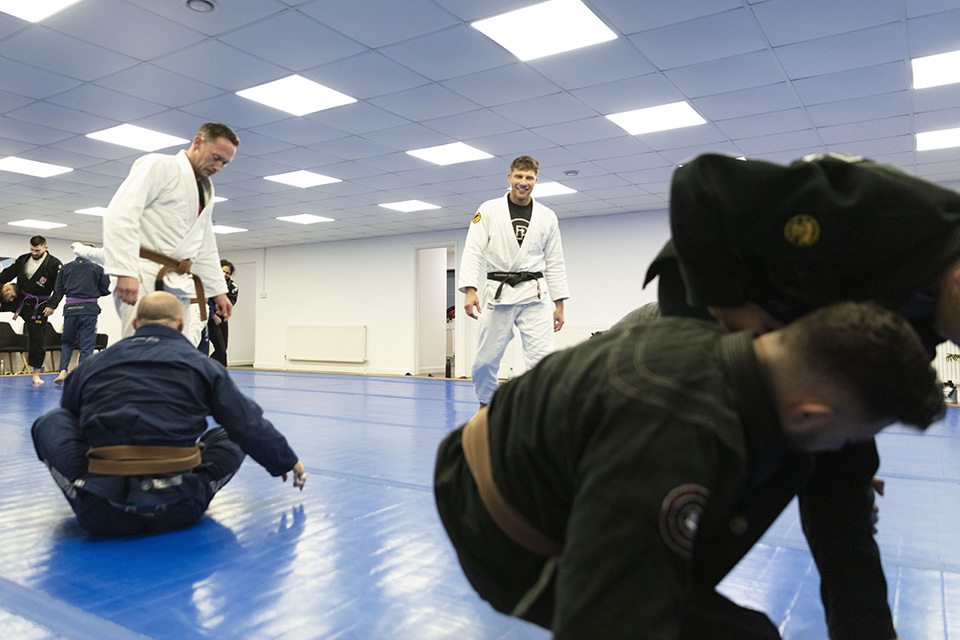
The Bottom Line
The color of the piece of cotton holding your Gi jacket closed doesn’t dictate your worth in the gym. Every single person on the mats, from day-one white belts to seasoned black belts, are just working on their own individual puzzle.
Focus on the time you spend in the gym, not the belt around your waist, and the promotions will take care of themselves.
See you on the mats!